
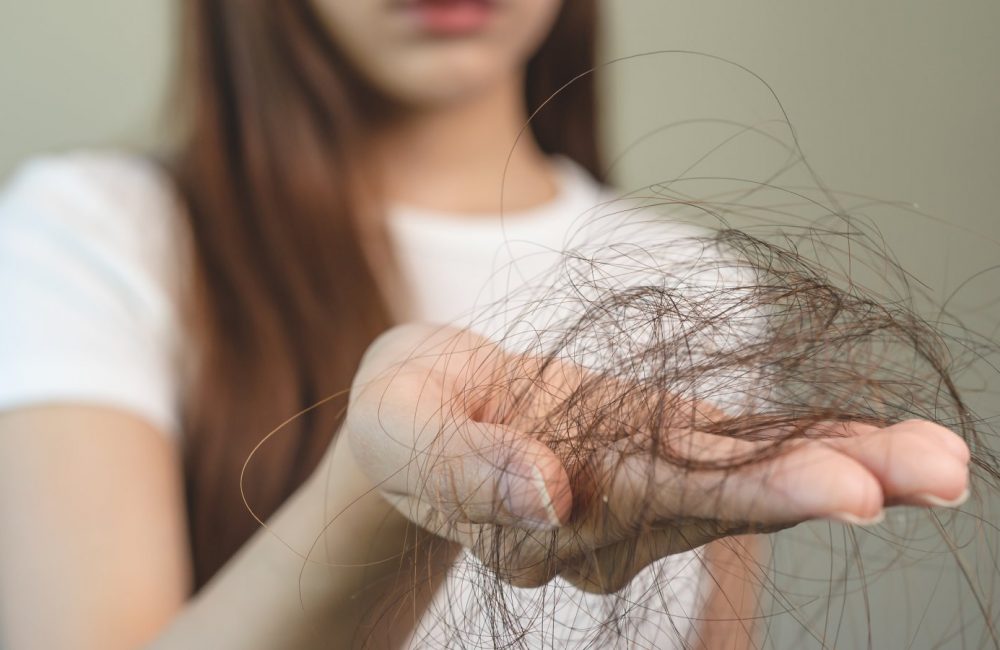

Thinning hair does not happen overnight, and neither does recovery. These expert-backed tips explain how simple diet, lifestyle, and hair care changes can visibly improve hair density over time.
Hair density is not just about how your hair looks, it is also a reflection of your internal health. While shedding a few strands daily is normal, persistent hair fall can slowly reduce the number of strands growing on your scalp, making hair appear thin and lifeless. Factors like stress, poor nutrition, hormonal changes, harsh treatments, and disrupted sleep often play a bigger role than we realise. In many cases, hair density can be improved with consistent, everyday habits.
According to cosmetologist, dermatologist, and trichologist Dr Priti Karde Shringarpure, focusing on the right nutrition, scalp care, and lifestyle choices can help support healthier follicles and visibly fuller hair over time.
What does hair density actually mean?
Hair density refers to the number of individual hair strands present per square inch of the scalp. It can be low, medium, or high, and largely determines how full or voluminous your hair looks. Low density does not always mean hair loss, it may also result from excessive breakage, nutritional gaps, or stress-related shedding, such as telogen effluvium, explains Dr Shringarpure.
Why does hair density reduce over time?
Low hair density can be linked to genetics, hormonal imbalance, chronic stress, poor diet, pregnancy, menopause, harsh chemical treatments, excessive heat styling, sleep deprivation, and seasonal changes. Identifying and correcting these triggers is key to preventing further thinning.
Tips to increase hair density
1. Focus on a protein-rich, balanced diet
Hair is primarily made of keratin, a type of protein. A diet lacking protein, iron, zinc, vitamin D, and folic acid can weaken follicles and shorten the growth cycle. Include eggs, lentils, spinach, carrots, and dairy regularly. Avocados are especially beneficial, as they are rich in vitamin E and antioxidants that help protect follicles from oxidative damage.
2. Use supplements only when needed
Sometimes diet alone may not meet your hair’s nutritional needs. In such cases, supplements like biotin, collagen, omega-3 fatty acids, and vitamins A, B, and C can help bridge the gap but only when taken under professional guidance, advises Dr Shringarpure.
3. Manage stress to protect hair follicles
Chronic stress can push hair into a resting phase, leading to increased shedding and visible thinning. Simple practices like yoga, meditation, deep breathing, adequate downtime, and emotional support help regulate stress hormones that directly impact hair growth.

4. Make scalp massage a routine
Regular scalp massage improves blood circulation, delivering oxygen and nutrients to hair follicles. A study published in Eplasty Journal found that consistent scalp massage may increase hair thickness over time. Massaging also helps remove buildup and strengthens roots.
5. Choose the right oils for oiling
Coconut oil penetrates the hair shaft and reduces breakage, according to the International Journal of Trichology. Rosemary oil has shown results comparable to minoxidil for androgenetic alopecia in a 2015 study, while reducing scalp irritation. Choose oils based on your scalp type.
You may also like


6. Follow gentle hair care practices
Use mild shampoos, and avoid frequent colouring, smoothing, Botox treatments, and excessive heat styling. These damage the cuticle, weaken hair protein, and increase breakage, reducing overall density.
7. Seek professional help when hair fall is severe
If hair thinning persists or worsens, consult a dermatologist or trichologist. Professional evaluation helps address underlying causes and prevents long-term damage that home remedies alone may not fix.
While you cannot change your natural hair texture, consistent nutrition, scalp care, and lifestyle changes can significantly improve hair density over time!







Leave a Reply