
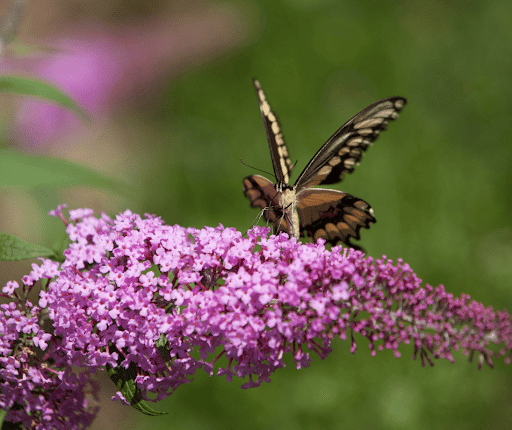

Butterfly bushes are famous for their ability to attract butterflies, but is the bush bad for the insects? Some would say no, but many people criticize butterfly bushes because they might hurt the environment and local ecosystems. Some experts also say that butterfly bushes can hurt the long-term health and growth of butterfly populations, as well as native plants in the area.
Answering whether a butterfly bush is bad for butterflies is not clear-cut. While butterflies love the bush, and at attracted to it, the plant is invasive and harmful. If you want to attract butterflies, think about a different flowering shrub called butterfly weed. Read on to learn more about the relationship between butterflies and the butterfly bush.
What Is a Butterfly Bush?

What Is a Butterfly Bush?
Butterfly bush (scientific name buddleja davidii or buddleia davidii) originates from Asia, but more specifically China and Japan. Gardeners love butterfly bushes because they quickly attract butterflies, hummingbirds, and other pollinators to their gardens. They also have a long bloom time from spring to fall, depending on the location. In addition, butterfly bushes produce many flowers, which are beautiful to witness.
These shrubs easily grow in many climates because they require very little maintenance and tolerate poor soil conditions. They mostly need access to full sunlight and annual pruning, which some gardeners even skip, and the plant still continues to thrive.
This may make the butterfly bush sound like the perfect drought-tolerant plant, but there are many strong reasons experts and gardeners dislike this plant. Let’s get into those reasons and the effect that butterfly bushes have on butterflies and the environment next.
Negative Impacts
While great for pollinators, butterfly bushes are an environmental concern because of the plant’s high reproductive success. Butterfly bushes frequently overcome and replace native shrubs and plants, making them an invasive species.
Due to their lightweight, long-lasting seeds, butterfly bushes quickly reproduce. They also thrive in many conditions, including natural areas with plenty of sunshine and well-drained soil. Butterfly bushes can thrive alongside riverbanks, wood edges, roadsides, and inside fields, which are typically where native shrubs grow. The Northwest and Northeast United States have even said the butterfly bush is a pest because it can invade and stop other plants from growing.
Unfortunately, no native caterpillars or larvae eat butterfly bush leaves. Although they create plenty of nectar for pollinators, they won’t create the right conditions for butterflies to lay eggs since their larvae can’t feed on the butterfly bush leaves. As a result, butterflies can only feed on the bushes but can’t reproduce in that area when butterfly bushes are the only shrub around. This often happens because they are an invasive species and can reduce butterfly numbers in areas where butterfly bushes are common.
Another negative effect of the butterfly bush is that it can distract butterflies and other pollinators from pollinating native plants in their habitat. This is because they can become distracted by the copious amounts of nectar the butterfly bushes produce.
Reproduction
Butterfly bushes are notorious for being fast breeders. A Longwood Gardens study discovered that a single flower spike produced over 40,000 seeds, which allows the plant to disperse seeds quickly and at a large volume.
The non-native butterfly bush seeds stay viable for up to five years in the soil, making getting rid of the plant difficult. In addition, butterfly bush seeds are lightweight and “winged,” so they travel far distances easily, allowing the plant to spread.
Are Butterfly Bushes Bad for Butterflies?
Butterfly bushes provide ample nectar, which is an excellent food source for pollinators like butterflies. The plant grows many flowers and spreads quickly, creating access to copious amounts of nectar for butterflies and bees.
However, some argue that butterfly bushes are bad for butterflies over time because they are an invasive species. Due to their fast reproduction, this plant can spread and snuff out other native shrubs, which provide food for caterpillars. Caterpillars cannot usually feed on butterfly bushes, so butterflies need to lay their eggs on other plants. However, if the butterfly bush has invaded the area and destroyed other plants in its wake, this leaves the butterflies with fewer choices to lay their eggs. As a result, the butterfly population can dramatically decrease in areas where butterfly bushes are prevalent.
Butterfly bushes seem like a good idea to attract and help butterflies in your area and your swallowtail garden. But they are more of a problem for the butterfly’s life cycle. The short-term effects of having butterfly bushes around can lead to increased numbers of butterflies hanging around your property. However, the species’ invasiveness can hurt the butterfly population in the long run.
Prevent Butterfly Bushes from Invading Other Plants
If you already have a butterfly bush or are set on planting one, you can keep them from taking over your yard.
Keep deadheading your flowers regularly by cutting the flowers as soon as they fade so they can’t produce seeds. You can also collect all spent flowers and dispose of the flowers along with trimmings to prevent any cut stems from rooting. Consider adding mulch to the bare soil around your butterfly bush to prevent additional rooting.
Butterly bushes live best in hardiness zones five through nine. They grow best in full sun and well-draining soil (don’t use clay soil that doesn’t drain well, which can cause root rot).
Butterfly bushes will continue to grow back each year, especially in the South, where they act like a drought-tolerant perennial. You can expect the top of the plant to die but grow back in the spring with new shoots and flowers.
Alternatives to Butterfly Bushes
If you want a butterfly garden in your yard but are worried about planting butterfly bushes, don’t worry. Other host plants, even some native, attract pollinators.
For starters, you can choose non-invasive varieties of the butterfly bush. Certain butterfly bush species have been bred to create fewer seeds, reducing their chances of becoming invasive plants. Butterfly bush hybrids, such as ‘Orchid Beauty’ and ‘Summer Rose’ produce far fewer seeds, while hybrids like ‘Miss Molly’ and ‘Miss Violet’ are less fertile. You can consult this list of Oregon state-approved sterile butterfly bushes for further information on sterile cultivars.
However, non-invasive butterfly bush species still don’t address the lack of caterpillar-friendly food. Consider planting buttonbush, mountain mints, dogwood, or spicebush if you are looking to attract and support the butterfly population in your garden. If you want to grow food plants that caterpillars like, think about planting herbaceous perennials. These include blue wild indigo, violets, asters, milkweed, and American or Maryland senna.
Butterfly weed is an excellent native alternative to butterfly bush (scientific name asclepias tuberosa). Native to North America, butterfly weed attracts mainly monarch butterflies.
Succession Planting
Succession planting involves planning your garden out so something is blooming at all times. Homeowners like butterfly bushes because they bloom for a long time, making it easier to keep plants blooming in your garden. However, butterflies won’t be able to lay eggs and make caterpillars if the only plant in your garden is butterfly bushes. So, think about planting more than one type of flower.
Plan your garden out thoroughly in the fall and plant spring-flowering blooms in the fall with staggered bloom times. When you have flowers bloom in early spring, late spring, and in the mid-summer, butterflies will have consistent nectar throughout the spring and summer. Other types of plants will also allow them to reproduce, increasing the butterfly population in your area over time.
Final Thoughts
While beautiful, butterfly bushes, like the summer lilac, are less than ideal plants to have around due to their invasive growth. Butterfly bushes reproduce quickly and can easily smother other native species in your garden. They can also quickly spread outside your garden to other areas due to their flight-friendly, lightweight seeds. Before planting a butterfly bush, weigh the pros and cons of this invasive species. It can be hard to get rid of them completely from your garden because the seeds are viable for up to five years, promoting significant new growth.
Butterfly bushes are famous for their ability to attract butterflies, but is the bush bad for the insects? Some would say no, but many people criticize butterfly bushes because they might hurt the environment and local ecosystems. Some experts also say that butterfly bushes can hurt the long-term health and growth of butterfly populations, as well as native plants in the area.
FAQs About Butterfly Busheslo
Do hummingbirds like butterfly bushes?
Hummingbirds are attracted to butterfly bushes. The plant produces long, tubular flowers that have a lot of nectar. The bright colors of the flowers on the bush, often shades of purple, pink, or white, also help to attract hummingbirds, in addition to adult butterflies and other pollinators.
Are Butterfly Bushes Bad for Butterflies?
Despite their name, butterfly bushes have a complex relationship with both butterflies and the broader ecosystem. The plant is rich in nectar, and attracts adult butterflies. Unfortunately, they offer little larval support, as they carry little to no food for caterpillars.
These plants are also invasive, meaning they can quickly take over an area and impact the ecosystem negatively. By displacing native plants, they can reduce habitat quality for butterflies by limiting food supply for their offspring, caterpillars.
The plant is not harmful to butterflies directly, but it can be harmful indirectly through its effects on the environment.
Should you deadhead butterfly bushes?
Deadheading butterfly bushes is typically recommended. Removing spent flowers encourages the plant to make new flowers and prolongs the flowering season. Deadheading also reduces the plant’s ability to produce seeds and prevents the plant from spreading as quickly as it might otherwise.
Deadheading can also keep the plant looking tidy and prevent diseases that thrive in decaying plant matter.





Leave a Reply